Healing Place Treatment offers opioid drug rehab in Long Beach, CA, for adults who want to overcome opioid dependence. Treatment begins with intake and health checks. We support medication taper plans, comfort, and daily structure. Therapy sessions build coping skills and safer choices. We also provide follow-up care and support.

At Healing Place Treatment, we provide opioid drug rehab. Our medical care team includes medication taper support for opioid use disorder. Medication taper helps the body adjust as opioid use stops. We review the opioid type, dose pattern, and last use time, then check vital signs and current symptoms. Our medical team uses these findings to choose a taper dose and timing. We monitor the response and update the plan when withdrawal signs rise.
Our medical staff monitors nausea, diarrhea, muscle pain, sweating, chills, anxiety, and sleep problems. A nurse helps manage your fluids and nutrition to keep you stable. You also attend therapy while tapering, which helps you build coping skills and prevent relapse. Before you leave, we plan your follow-up care.
We help people with opioid use disorder from both prescription painkillers and illegal opioids. These drugs can slow breathing, affect mood, and increase overdose risk. Some people start painkillers after surgery and later need higher doses. Others may buy pills without a prescription. We work with you to identify which opioid you used, so your care fits your needs.
Oxycodone is a prescription painkiller. Some people take it in tablet form or crush it and snort it. The drug can cause euphoria, heavy sleepiness, and constipation. Repeated use builds tolerance and can lead to withdrawal sickness between doses. High doses can slow breathing and raise overdose risk.
Heroin detox can be challenging, but we make it as safe as possible. Withdrawal usually brings severe aches, nausea, and anxiety. Our team provides quick care and medications to ease these effects. You stay under close supervision. We help keep you calm through the hardest phase of heroin withdrawal.
Morphine is a strong opioid used in hospitals and for severe pain. Some people misuse tablets or liquid forms. The drug can bring a warm rush, then mental fog and heavy sedation. It also slows gut movement, so constipation can become severe. Misuse raises breathing suppression risk, especially with other sedating drugs.
Fentanyl is a synthetic opioid with very high potency. Doctors use it for pain in controlled doses, yet street fentanyl can appear as powder, pressed pills, or mixed into other drugs.
Even a small amount of fentanyl can cause a sudden overdose. Some people take it without knowing, which can quickly slow breathing and turn the skin blue. We treat fentanyl-related opioid use disorder with close monitoring and a focus on safety.
Opioid rehab is helpful when opioid use affects your choices and daily life. Many people want to quit, but withdrawal and cravings make it hard. Rehab is for adults who need structure, medical help, and therapy to break the cycle. It also helps if opioid use causes safety risks, health issues, or repeated relapses.
People may need opioid rehab when they:
Try to stop, but return to use within days

Withdrawal symptoms can start after a dose reduction or after stopping opioids. Your body reacts as drug levels drop. Symptoms can feel like a severe case of the flu or restlessness. Many people return to use it to stop the sickness. Medical care lowers risk and supports safer stabilization.
You may get a constant runny nose and watery eyes. These signs can appear early and keep going until symptoms ease.
Yawning can repeat all day. Sweating can start even in a cool room. Your body tries to reset without opioids.
Pupils can widen and stay that way. Skin can get goosebumps and cold chills, then hot flushes. These changes can come in waves.
You may feel severe stomach cramps. Some people vomit or get diarrhea, which can lead to fluid loss.
Muscles can ache like a bad case of the flu. Legs and back can hurt, which prevents you from resting.
Your heart rate can increase faster than normal. Blood pressure can rise during peak symptoms, which can add to anxiety and shaking.
Your medical assessment starts with a complete review of current opioid use and recent dose changes. Our team asks about pill type, route of use, and last use time. We also review current prescriptions and prior withdrawal problems. We check breathing rate, skin color, and signs of dehydration. These details help us plan safe care.
Next, our medical team creates a medication taper plan if it fits your needs. We set the timing and dose steps based on your symptoms and vital signs. A nurse tracks your response and notes any side effects. If withdrawal symptoms get worse, we adjust the plan. We also coordinate therapy with your medical care so you feel supported throughout treatment.
Therapy helps you change the habits that keep you away from opioid use. We focus on thoughts, emotions, and actions tied to cravings. You practice skills during sessions, then use them between groups and in daily tasks. Our team matches therapy to your needs and mental health symptoms. We also align sessions with your recovery goals.
In CBT, our therapist works on thought loops that push opioid use. We spot patterns like all-or-nothing thinking and risk talk. We help you replace those thoughts with safer choices. You rehearse short steps for urges, stress, and conflict, then bring results back to the next session.
DBT helps you manage emotions when they become intense. We teach you skills for handling distress, controlling impulses, and communicating better. You practice these skills in sessions and use them in daily life. Over time, you gain more control under stress and reduce risky behaviors linked to opioid use.
Group therapy gives you a place to talk through problems with others in recovery. We use group time to practice coping skills, set weekly goals, and review setbacks without blame. You also build support connections that matter after discharge. Groups help many people reduce isolation and stay engaged in care.
Medication management supports your treatment plan during recovery. Our medical team reviews current prescriptions, side effects, and any changes in symptoms. We adjust medications when needed and coordinate timing with therapy and daily routines. Medication support can help stabilize sleep, anxiety symptoms, and withdrawal discomfort during care.
Opioid use disorder can appear alongside mental health conditions like depression, anxiety, PTSD, or bipolar symptoms. Opioid use can reduce sleep and mood control, which can intensify mental health symptoms. Dual diagnosis care addresses opioid use and mental health together. Such an approach supports progress on both sides.
At Healing Place Treatment, the team screens mental health symptoms during intake and continues checks during care. You receive therapy along with medication support. We focus on sleep, mood stability, and coping steps. The team also plans follow-up care that includes mental health and addiction support after discharge.
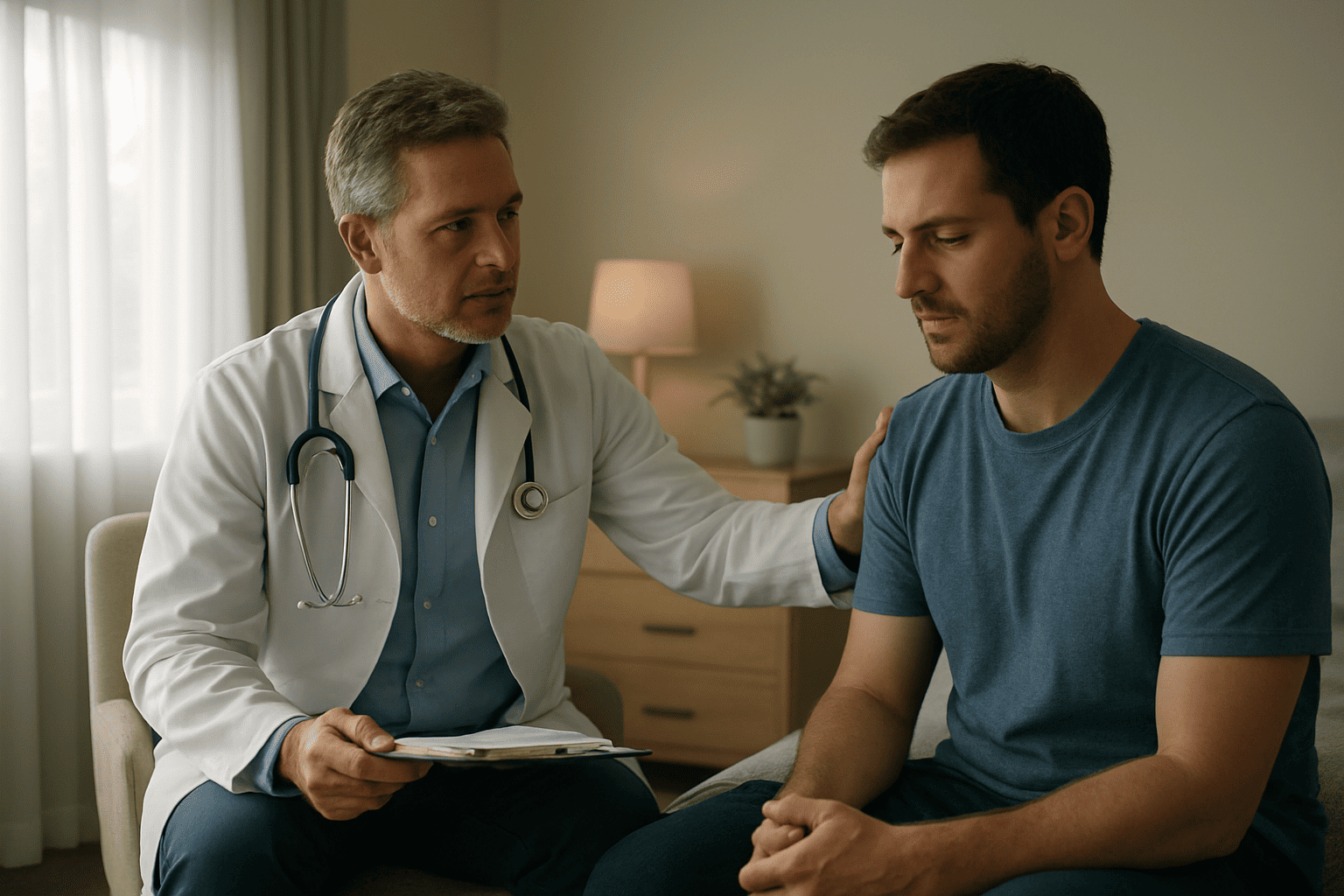
Discharge planning starts before you leave our opioid drug rehab center. We focus on what happens after you return home, since triggers and stressors can resurface. Our team helps you build a plan you can follow in daily life. Our goal is to provide continuous support that enhances the recovery.
After care planning includes:
You need a team that pays attention to both health and behavior change. Our program supports opioid recovery with medical oversight and therapy in the same plan. We keep care structured, and we keep goals focused on safety, stability, and follow-up support.
What sets us apart:
Cocaine treatment time can vary for each person. Many residential programs last around 30 days, while some may extend to 60 or 90 days. Detox usually takes about one week, and therapy continues for several weeks to build stronger habits.
Healing Place helps you decide the right length of care. Our team reviews your progress and adjusts your plan as you grow stronger. Each stage aims to support your health with steady daily structure.
Some people gain more from an extended stay, while others improve with shorter care and follow-up support. The goal is to help you reach a drug-free life with confidence.
Healing Place Treatment serves Long Beach and nearby communities. Many clients arrive from Los Angeles and Orange Counties. Local access helps families stay connected. We also support outpatient planning after discharge.
Detox length depends on the substance and the individual. On average, a detox at our center lasts about 5 to 10 days. Some people may need a shorter or longer time based on their specific situation.
We do everything we can to keep you comfortable during detox. You might experience some withdrawal discomfort, but our medical team provides medications and care to reduce pain and other symptoms.
It depends on your withdrawal symptoms and the substances involved. Our doctors might use FDA-approved medications like buprenorphine or methadone for opioid detox, or benzodiazepines for alcohol detox. We also use other comfort medications (for nausea, anxiety, etc.) as needed to help you through withdrawal.
We strongly advise against detoxing at home for safety reasons. Without medical supervision, withdrawal can become dangerous, especially with alcohol or benzodiazepines. At our facility, you have 24/7 care, which greatly reduces risks and keeps you as safe and comfortable as possible.
Policies on visitors depend on your condition and stage of detox. In the first couple of days, we usually limit visiting so you can rest and focus on stabilizing. As you start feeling better, we typically allow family communication or visits with staff approval. Our priority is keeping you safe and minimizing any stress during detox.
Yes, we have mental health professionals on staff, and we address conditions like anxiety or depression even while you’re in detox. The doctor can continue or adjust any necessary medications for those conditions, and our counselors are available to help with emotional care during detox.
Our detox center provides medical care similar to a hospital, but in a more relaxed, homelike environment. You will have a comfortable room instead of a busy hospital ward. We have doctors and nurses on-site, but the environment is designed to be calming and less clinical than a hospital.
We suggest you bring comfortable clothing and basic personal items like toiletries. You can also bring a book or journal if you want. We provide all meals, bedding, and medical supplies, so you will need very little else. Our admissions team will give you a full packing list before you arrive.