At Healing Place Treatment, we provide inpatient treatment in Long Beach with 24×7 support and therapy. Our inpatient program helps adults stabilize after detox and build skills for recovery. You meet our care team for therapy, medication review, and recovery planning. Call us to start an intake and check availability.

Inpatient treatment in Long Beach gives you a place to live while you focus on treating substance use. You stay on site and receive support every day and night. You join therapy sessions that help you learn healthy ways to cope with stress and triggers.
Our team helps you to take part in group sessions. It can help you understand thoughts and behaviors linked to substance use.
Staff monitor your health, support your routines, and check how you respond to care. This approach offers more focus and fewer outside distractions. After this phase, you can move into ongoing support that fits your needs.
Inpatient care gives you a safe place to focus on recovery. You stay at Healing Place Treatment for inpatient treatment in Long Beach. We provide 24×7 staff support. You get help with meals, rest, and daily structure.
Each day includes group therapy, private sessions, and recovery skill classes. You practice coping steps to control urges, anger, and anxiety. Our team checks meds, sleep, and mental health signs. Before you leave, we plan your next care treatment. Our team can support you and provide help from the further treatment process.
Healing Place Treatment supports adults who need a safe place to recover from substance use. Inpatient treatment can fit you when substance use affects sleep, work, and safety. You may try to stop using it but again start using when symptoms arise. You may not get strong support at home to deal with withdrawal.
We help you when:
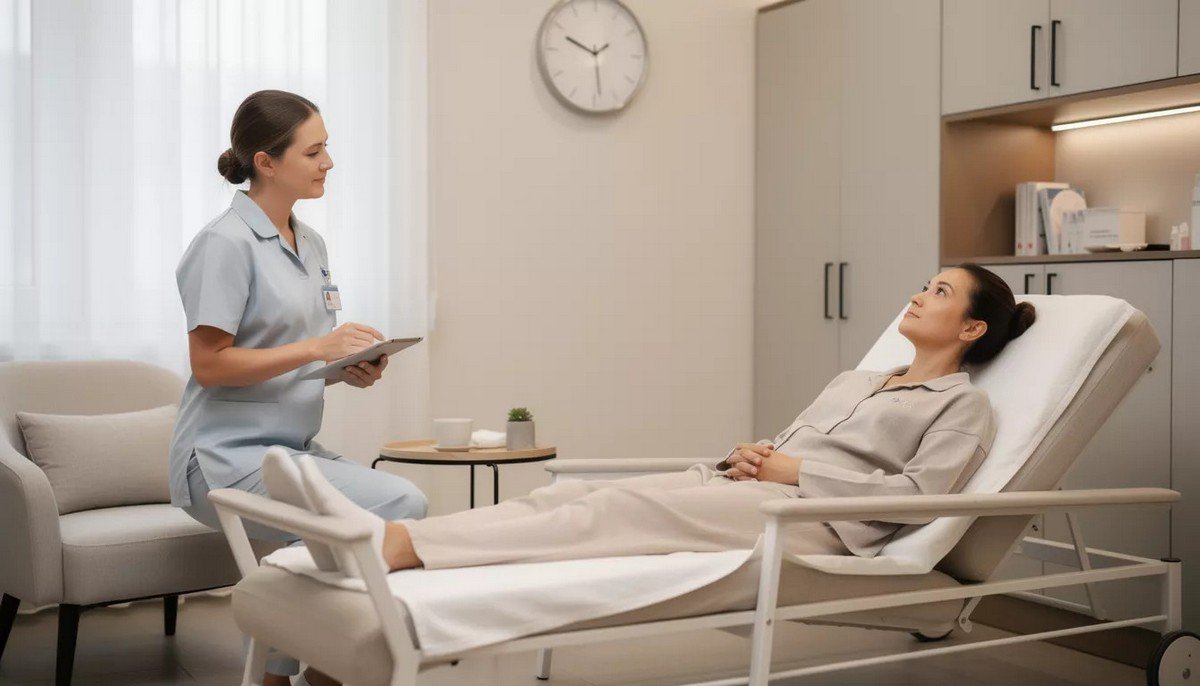
Healing Place Treatment offers inpatient treatment in Long Beach, CA. We provide round the clock care. You stay in a safe place away from triggers. We follow a daily plan that supports health and recovery skills. You also get help with stress, mood, and sleep.
We start with questions about use, health, and past care. Our team checks symptoms, meds, sleep, and safety risks. We use that info to build your care plan.
You join daily sessions that focus on coping skills and decision skills. We use practice, feedback, and routine to build new habits. You also work on trigger control and relapse risk planning.
Individual sessions give private space to talk. You discuss personal challenges and weekly progress. We focus on short goals and next steps.
We check mood, anxiety, and thought changes during your stay. You meet with a therapist for support and skill work. Our team tracks mental health symptoms and medical needs. We adjust your plan when symptoms change.
Substance use can effect sleep, work, and family life. Our inpatient team supports adults who need daily care in Long Beach. We treat alcohol and drug disorders with therapy, medical oversight, and recovery planning. You get help for cravings, mood changes, and mental health issues.
Here, what we treat in our inpatient program:
Opioid use disorder can include prescription pills, heroin, or fentanyl. You may face cravings, withdrawal sickness, and high overdose risk after breaks in use. We focus on safety, symptom support, and relapse prevention planning. Our approach supports fast recovery from opioid use.
Benzodiazepine dependence can develop with Xanax, Ativan, Valium, or Klonopin. Stopping suddenly can raise seizure risk and severe anxiety. We use careful dose planning, close monitoring, and support for sleep and panic symptoms. You also get coping skills for stress and triggers.
Cocaine dependence can lead to strong cravings and impulsive behavior. People can face agitation, low mood, and sleep disruption during early recovery. We support mood stability, safer routines, and therapy work to reduce cocaine dependence.
Stimulant use disorder may involve methamphetamine or other stimulants. You may face fatigue, irritability, sleep swings, and intense cravings. We help you restore sleep and appetite with daily skill building.
Mental health care can lower relapse risk. Anxiety, depression, and past life trauma can increase cravings for substance use. We help you build coping steps you can use right away. Our team supports you with check ins, therapy, and care planning.

Anxiety can bring sudden fear waves. You may feel panic symptoms with chest tightness and dizziness. You may breathe too fast, called hyperventilation. Your pulse can rise and you may feel nausea. We teach paced breathing and grounding skills.

Depression can bring low mood and low energy. You may sleep too little or too much. It leads to losing interest in food, people, or daily tasks. We track mood changes, sleep, and daily function. We provide therapy and medication to cure depression.

Bipolar symptoms can swing between low mood and high energy. During high energy phases, you may sleep less and talk more. You may take risks and miss warning signs. Our team supports safety, therapy, and medication coordination.

PTSD can follow trauma and lead to flashbacks or nightmares. Loud sounds or conflict can raise fear and anger. You may avoid places, topics, or people tied to trauma. We use trauma informed therapy and coping skills.
Healing Place Treatment gives you a living space for recovery work under medical supervision. You follow a schedule that includes check ins, therapy, and group time. You also practice tools for cravings, stress, and sleep. Our team supports your goals and tracks changes in health each day.

To start inpatient care in Long Beach, call Healing Place Treatment at 562-362-5510. Our team asks a few health questions to plan safe care. Tell us what substance you used, last use time, and past withdrawal problems. Share any depression, anxiety, or trauma symptoms. List all medicines and doses.
After inpatient treatment, your care continues with a next step plan. This plan may include outpatient therapy, medication follow ups, and regular check ins. Many people step down to a lower level of care while keeping daily structure. You also review coping steps for cravings, stress, and risky moments.
Ongoing recovery works best with routine and support. You may join peer groups, continue therapy, or attend family sessions. Sleep, meals, and daily goals help keep balance. If symptoms return or urges rise, reach out for help early to stay on track.
People choose Healing Place Treatment for inpatient treatment in Long Beach, CA when home feels unsafe for early recovery. We provide 24×7 staff monitoring. Our team checks sleep, mood, cravings, and withdrawal signs. A doctor reviews medicine and adjusts plans when symptoms change. People choose us for medical support and effective daily therapy.
You follow a daily plan with groups and one to one sessions. We also support mental health needs at the same time. Our team plans next steps before discharge. People choose us for a care plan that continues after your stay.
We provide inpatient treatment for Long Beach residents and neighborhoods. People also come from across Los Angeles and Orange County to receive expert care. You can reach us for health screening, detox planning, and next step care. We serve these areas:
Inpatient treatment is a rehab stay where you live at the center overnight to stop using alcohol or drugs. Staff watch your health day and night, help with withdrawal, and teach coping skills in group talks and private counseling sessions.
Choose inpatient care when quitting at home keeps failing, cravings stay strong, or your body needs medical detox. It also helps if you have used it alone, had an overdose scare, or friends around you use it every day. Call the program to check if round the clock care fits you.
Inpatient programs run from one week to three months. Doctors and counselors choose a time that fits your health and goals. Many people stay 30 to 45 days. Some stay longer for detox, medicine checks, or daily work with relapse skills.
Yes, inpatient care can support mental health needs. Teams treat anxiety, depression, trauma, and sleep problems too. A therapist meets with you and checks your mood each day. A doctor can start or adjust medicine when it helps most. You use calming skills and plan follow up care with your doctor.